
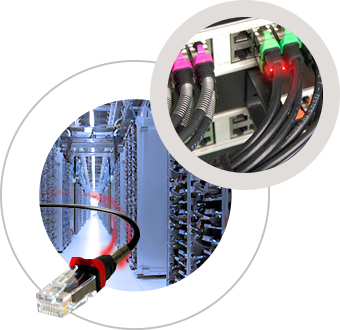
Haben Sie jemals das falsche RJ45-Kabel abgezogen ?
Erhältlich in der ultraflachen Version : ThinPATCH
Erhältlich in der ultraflachen Version : ThinPATCH
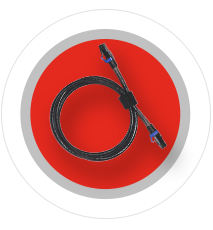

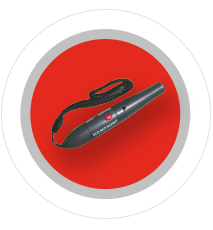

Die Aufgabe der EDV-Räume, Netzwerkschränke, Serverräume, Rechenzentrum ist die jederzeitige Verfügbarkeit der Leistungen.
Die technische Entwicklung macht aber ihr Management von Tag zu Tag komplexer.
Ob es sich um eine geplante Instandhaltungsarbeit oder um eine Notreparatur handelt: jeder Eingriff muss schnell und sicher erfolgen, denn der Verlust eines Netzwerkservices oder einer Anwendung kann je nach Branche (Banken, E-Commerce, Telekommunikation, Industrie etc.) schnell erhebliche finanzielle Verluste mit sich bringen.
Erfahren Sie mehr über die PATCHSEE-Lösung
06/2022
“ Gut erhalten x150 Thinpatch 6m, kann es kaum erwarten, Ihr System wahrend der nachsten Wartungsarbeiten zu testen ”
Daniel K - Germany
04/2022
“ Mein Wallpatch-Demo-Kit ist gut angekommen, eine sehr einfache Idee, aber Sie mussten darüber nachdenken!
”
Sebastian R - Austria
09/2021
“ Hochwertige kabel, ich habe gerade meine zweite wartung mit der leuchtkennzeichnung durchgehrt, sehr sehr praktisch! ”
Ubert T - Germany
05/2019
“ Moin,
wunderbar... danke... ich bin begeistert und werde es gerne bei kommenden Kundendemos bei uns im Lab positiv bewerben :-)
Viele Grüße ”
Sascha U - Consulting Systems Engineer - Switch Hersteller - Germany
05/2019
“ Wir haben das Kabel getestet und sind begeistert von der Idee.
Wir werden aber unsere Serverräume Stück für Stück mit Ihren Kabeln
ausstatten.
Mit freundlichen Grüßen ”
Tobias H - IT - Administration und Hardware - Hersteller von Kunststoffen - Germany
12/2018
“ Hallo,
ja, habe ich bekommen. Finde ich ein sehr schönes und innovatives Produkt. Werde ich auf jeden Fall in Zukunft benutzen.
Mit freundlichen Grüßen ”
Iwan B - IT-Leiter - Rettungsdienst - Germany
11/2018
“ Danke, wir haben das Set erhalten.
Ich finde die Technik interessant und bin von der Qualität überzeugt.
Eventuell komme ich im nächsten Projekt noch einmal darauf zurück. ”
Daniel B - Leiter IT Administration - Transport - Germany
11/2018
“ Ja ich habe das PatchSee Set erhalten. Vielen Dank dafür. Wir sind aktuell dabei für unser Rechenzentrum Planungen anzustellen um die Verkabelung zu erneuern. Hierbei werden wir Patchsee berücksichtigen, vor allem hinsichtlich des Nutzens, Kabel über die Leuchtdiode zu erkennen. " ”
Maximilian S - IT Consultant - IT Beratung - Germany
11/2018
“ Vielen Dank für Ihre PatchSee Demo.
Ich habe Ihre Produkte getestet und gekauft.
Sie sind von sehr guter Qualität!!!
Mit freundlichen Grüßen
”
Marcin J - IT-Spezialist - Verbund - Germany
11/2018
“ Hallo Frau Lecourt,
Ihr Demo-Set haben wir erfolgreich getestet.
Die Kabel erleichtern uns unsere Arbeit immens.
Wir sind sehr zufrieden damit und haben schon eine größere Bestellung, bei einem Ihrer Vertriebspartner in unserer Nähe, aufgegeben.
Mit freundlichen Grüßen
”
Christian H - IT - Industrie - Germany
10/2018
“ Sehr geehrte Frau Lecourt,
vielen Dank für das PatchSee Demo-Set. Das Set habe ich nicht nur den Kollegen gezeigt, sondern verwende es regelmäßig im Berufsschulunterricht und bei der Ausbildung in der Fachschule für Elektrotechnik.
Zusätzlich habe ich das Set auch Kollegen der Elektroinnung vorgeführt.
Es ist bei Fehlersuche, bzw. bei Zuordnung von Patchkabeln eine große Hilfe.
Wird es diese Kabel auch in Cat 7 geben?
Vielen Dank für Ihre Unterstützung! ”
Ludwig F - Fachoberlehrer i. BV - Fachhochschule - Germany
09/2018
“ Guten Tag,
wir haben getestet. Das Produkt ist sehr gut.
Wir melden uns, wenn größerer Bedarf ist.
Vielen Dank ”
Roger F - EDV-Leiter - Dienstleistungsunternehmen - Germany
09/2018
“ Guten Tag,
vielen Dank für das Demo-Set. Es hat mich überzeugt. Wir werden vermutlich Schrittweise auf diese Patchkabel in den Serverräumen umstellen.
Mit freundlichem Gruß ”
Swen B - IT - Brauerei - Germany
07/2018
“ Hallo Frau Lecourt,
vielen Dank für die Zusendung eines Test Sets.
Wir waren schon recht begeistert von der Einfachheit der LED Funktion.
Die Kabel sind zudem recht flexibel und lassen sich somit gut verlegen.
Aktuell bestellt leider kein Bedarf für größere Mengen ihrer Kabel.
Bei der nächsten Standortverkabelung werden wir 3P design aber mit Sicherheit bei der Kabelwahl beherzigen. ”
André G - EDV - Transportunternehmen - Germany
07/2018
“ Hallo Frau Lecourt,
vielen Dank für Ihre E-Mail. Den Kollegen hat es gut gefallen – wir haben bereits eine Bestellung versendet.
VG, ”
Sarah J - Einkauf - Transportunternehmen - Germany
05/2018
“ Guten Morgen, Frau Lecourt,
für die Überlassung eines Patchsee-Testkabels und die überzeugenden Zusatzhinweise danken wir Ihnen sehr herzlich. Das Konzept hat uns vorbehaltlos überzeugt. Bislang jedoch steht uns derzeit leider noch keine geeignete Infrastruktur zur Verfügung, die eine valide Erprobung einer zusätzlichen LWL-Strecke erlauben. Sobald die entsprechenden Voraussetzungen geschaffen worden sind, werden wir uns zur Klärung näherer Details mit Ihnen in Verbindung setzen.
Wir wünschen Ihrem Unternehmen viel Erfolg bei der Umsetzung innovativer Ideen.
Cordialement d‘ Allemagne,
”
Erich G - Inhaber - EDV Dienstleistungen - Germany
02/2018
“ Sehr geehrte Frau Lecourt,
die Vorstellung des Demosets lief sehr gut, woraufhin wir eine Bestellung bei dem Distributor XXX ausgelöst haben.
Vielen Dank nochmal für die Bereitstellung der Hardware.
Mit freundlichen Grüßen
”
Lucas E - Systemadministrator - Autohaus - Germany
02/2018
“ Sehr geehrte Frau Laetitia Lecourt,
wir sind begeistert von den Patchkabeln.
Werde in den nächstne Wochen ein Aufnahme aller benötigten Kabel und melde mich dann wieder bei ihnen.
”
Brugger D - IT-Services - Hersteller von Lichtlösungen - Germany
05/2017
“ Hallo Maxime,
das Testset ist bei uns angekommen und ich habe es bereits meiner Abteilungsleitung vorgeführt.
Da wir aber bereits in unserem RZ eine Kabelmanagement Lösung der Firma XXX einsetzen und es ausserdem relativ selten vorkommt, das wir im RZ Kabel von A nach B stecken müssen, ist das Interesse an Ihrer Lösung eher gering.
Sollten wir jedoch zukünftig solch einen Produkt sinnvoll einsetzen können, würden wir hier auf Sie zukommen. ”
Tobias H - Netzwerkadministrator - EDV-CENTRUM - Germany
05/2017
“ Sehr geehrte Damen und Herrn,
das Demo-Set ist bei mir angekommen.
Wir hätten uns vor sechs Jahren gefreut wenn wir von solch einen Produkt erfahren hätten, denn da haben wir ein neues Rechenzentrum gebaut.
Wenn wir mal wieder ein neues Projekt haben sollten, dann werden wir diese Art von Kabel berücksichtigen.
”
Jens E - Netzwerkadministrator - Industrie - Germany
03/2017
“ Sehr geehrte Frau Lecourt,
vielen Dank für Ihre Nachricht. In der Zwischenzeit haben wir PatchSee testen können und haben beschlossen dies in Zukunft einzusetzen, da die Funktionalität der Lichtwellenleiter am Kabelrand uns überzeugt hat
”
Sascha K - Bereichsleiter IT - Fachgeschäft - Germany
02/2017
“ Sehr geehrte Frau Lecourt,
vielen Dank der Nachfrage.
Habe das Demo Set vorgeführt und wir waren alle sehr zufrieden.
Wir werden mit der Firma XXX,, die ja der Vertriebspartner in Österreich sind, Kontakt aufnehmen und unsere bestehende Verkabelung
austauschen.(Zug um ZUG) Für umbauarbeiten ist ihr Werkzeug eine Super Erleichterung.
Nochmals Danke und liebe Grüße nach Frankreich
”
Elmar M - Berater - Infrastrukturdienstleister - Austria
12/2016
“ Hallo Frau Lecourt,
Ihr Kabel finde ich sehr gut, es macht Patcharbeiten einfacher, schneller und sicherer als mit herkömmlichen Patchkabeln.
Haben diesen Kabeltyp mit guten Erfahrungen bei der Firma XXX sowie XXX im Einsatz.
Das Kabel habe ich Mitarbeitern von Level3 Communication vorgestellt, diese waren sehr Begeisterung, weiß aber nicht ob
es da zu einer Bestellung kommt?
Kunden mit kleinen Netzwerken sind von dem Produkt auch sehr begeistert, aber da steht der Preis der Kabel nicht im Verhältnis zum Nutzen.
Mit freundlichen Grüßen
Arndt A ”
Arndt A - Director - SYSTEM INTEGRATOR - Germany
12/2016
“ Hallo,
thank you for the Demo Kit, it is nice. I think your costoumer will love it.
Mit freundlichen Grüßen ”
Bert M - Tech. Leiter - DATA NETWORK INSTALLER - Germany
11/2016
“ Dear Patchsee Team,
I have seen and tested the sample kit with my colleagues.
That looks good.
I have a few patch cables reordered.
So that important connections are patched with it for the quick recovery.
Best regards
Jörg ”
Jörg M - Projektleiter - SYSTEM INTEGRATOR - Germany
11/2016
“ Dear Ms. Lecourt,
I mean, your cabling identification system is very interesting. Optical sigalization makes the search much easier.
we will consider your system for new projects.
Our service provider has presented your products to us.
Best regards
i.V. Manfred L.
”
Manfred L - Head of IT - FOUNDRY - Germany
11/2016
“ Dear Letitia Lecourt,
thank you for sending this DEMO KIT. I requested this KIT for self testing and customer presentation. We are a huge consulting company in a wide range of customers. My specialization is datacenter infrastructure. Cables with a possibility to identify it are a good idea.
I identified your products on your website. The products sounded good and I wanted to try it. Now I present those cables to the customers.
Mit freundlichen Grüßen
Marcus Kl
Consultant ”
Marcus K - Consultant - IT & DATACENTER CONSULTING COMPANY - Germany
11/2016
“ Dear Laetitia,
We have testing this Product (its fine).
Our IT Consultant says :“ look this, its cool“.
We look how migrate this cable in our IT-Network. :)
Best regards
René T
”
René T - IT / Kundenbetreuung - PHARMACEUTICAL GLOBAL FIRM - Germany
11/2016
“ Hi,
I'm excited from Patchsee. I have contact a local dealer to make an offer to me.
Thomas V ”
Thomas V - IT - Support / IT Help-Desk - HEALTH CARE SOLUTIONS GLOBAL FIRM - Germany
11/2016
“ Hi back,
thank you for writing in english.
I got the kit with the cable and the stripes and found it good.
After testing I bought a test set of 10 cables.
I found your solution by searching for non-china cables in the INet.
Hope you are satisfied,
Michael S
”
Michael S - IT MANAGER - GLOBAL PACKAGING MANUFACTURER - Germany
10/2016
“ Sehr geehrter Herr Guichard,
danke für das Demoset! Die Idee mit dem eingelassenen Faserpaar gefällt mir sehr gut, das Kabel war sauber verarbeitet und die austauschbaren, farbigen Nasen finde ich auch sehr praktisch.
Ich habe bereits eine Bestellanfrage bei einem lokalen Reseller für ~500 Kabel + Zubehör getätigt.
Mit freundlichen Grüßen
Manfred M ”
Manfred M - Head of Systems Engineering - LOGISTICS SOLUTIONS - Austria
04/2016
“ Bonjour Madame Lecourt,
wir haben Ihr Paket erhalten. Ich konnte meinen Chef überzeugen, und inzwischen haben wir unseren Serverraum auch mit Patchsee-Kabeln ausgestattet Ich bin sehr zufrieden mit den Kabeln!
Vielen Dank für Ihre Unterstützung.
”
Thomas G - Netzwerkadministrator - Systemhaus - Germany
04/2016
“ Sehr geehrte Frau Lecourt,
erstmal herzlichen Dank für das Probeset! Faszinierende Idee, wirklich gut gemacht. Die Zuordnung der Kabel wird dadurch stark vereinfacht.
Wir werden sicher einige Patchfelder umstellen, kann Ihnen jedoch nicht sagen wann. Sobald der nächste größere Schrank bzw. Bereich ausgestattet wird, werden wir wechseln.
”
Matthias Z - Netzwerkadministrator - Krankenhaus - Germany
02/2016
“ Sehr geehrte Frau Lecourt,
das Patchkabelsystem ist eine sinnvolle innovative Lösung,
welche in Neuprojekten grundsätzlich zum Einsatz kommen kann.
Sicherlich können Sie uns einen deutschen Distributeur empfehlen.
Bitte schicken Sie per Empfehlung ein Muster zu meinen ehemalige Kollegen und guten Freund:XXX
”
Heiko S - Key Account Manager Sicherheitstechnik - Sicherheitstechnik - Germany
01/2016
“ Hallo,
vielen Dank für die Rückfrage. Wir waren sehr zufrieden und haben bereits kurzfristig einen größeren Posten Patchkabel inklusive Patch Light, Kennzeichnungsringen und id scratch bei einem Vertriebspartner in der Nähe gekauft.
”
Guido R - IT Leiter - Landkreis - Germany
01/2016
“ Sehr geehrte Damen und Herren,
Wir haben Ihr Produkt getestet und werden uns beraten, dies zukünftig einzusetzen. Allerdings sind momentan andere Projekte vorrangig.
”
Sebastian K - IT Support - IT Service Unternehmen - Germany
11/2015
“ Sehr geehrte Frau Lecourt,
vielen Dank für Ihre Rückfrage. Tatsächlich hatte ich in den letzten Tagen die Gelegenheit, das von Ihnen zugesendete Demonstrationskit zu verwenden.
Die Lichtleiter in den Kabeln sind eine gute Idee, auch wenn ich das Licht etwas stärker erwartet hätte. Bei vielen blinkenden Lichtern im Serverschrank, ist es aber mit etwas Geschick zu erkennen.
Die Plugcap macht einen sehr guten Eindruck, ich kenne kein vergleichbares Produkt am Markt, um konfektionierte Kabel durch kleine Öffnungen zu führen. In den nächsten Wochen kann ich dieses Element bei einem Vorhaben testen und die kleine Schlaufe auf Zugfestigkeit prüfen.
Freundliche Grüße
”
Gordan Z - Inhaber - IT Consulting - Germany
07/2015
“ Bonjour Mme Lecourt,
Ich melde mich bei Ihnen wegen dem bestellten DemoKit Ihrer PatchSee-Kabel. Ein tolles System meiner Meinung nach und es erspart uns viel Zeit mit dem suchen von Kabeln bzw. Anschlüssen.
Wir wollen im ersten Schritt den Serverraum im Standort Wernigerode und einen Netzwerkschrank im Standort Osterweddingen damit verkabeln. Ich muss nur noch die Mengen ermitteln und notwendiges Zubehör. Können Sie mir vielleicht schon mal vorab einen Lieferanten empfehlen an den ich mich wenden kann zum bestellen oder kann ich das auch über Sie abwickeln?
Vielen Dank für Ihre Hilfe und bis auf weiteres
”
Marcel W - IT Organisation - pharmazeutische Industrie - Germany
06/2015
“ Hallo Frau Lecourt,
wir haben das Demopatchkabel erhalten und finden es auch gut.
Wenn wir das nächste Mal Patchkabel für unseren Serverraum benötigen, werden wir sicher auf Sie zukommen.
Grüße
”
Steven B - IT-Leiter - industriellen Hersteller - Germany
01/2015
“ Hallo Frau Lecourt,
ja das Kabel habe ich getestet, beim nächsten Kunden mit Neu-Verkabelung werde ich es platzieren… Was mir aber noch fehlt ist eine Preisliste mit Staffelpreisen.
Mit freundlichen Grüßen
”
Marco S - Geschäftsführer - System Integrator - Germany
12/2014
“ Sehr geehrte Frau Lecourt
Ich habe das System bei uns einigen Kollegen vorgestellt, grundsätzlich ist die Technik interessant.
Allerding würden wir zur ungefähren Beurteilung, ein Preisliste benötigen, da ein Anschaffung auch vom Preis abhängt.
Könnten sie uns eine grobe Preisübersicht zukommen lassen?
”
Torsten B - Projektmanagment und Konstruktion - mittelständisches Unternehmen - Germany
11/2014
“ Hallo Frau Lecourt,
ja, gemeinsam mit meinen Kollegen habe ich das PatchSee-Kabel getestet und finde, das ist eine pfiffige Idee. Auf Grund des Preises (und des Arbeitsaufwandes) kommt es aber momentan nicht als kompletter Ersatz für unsere bestehenden Patchkabel in Frage, jedoch könnte es bei einer Neuausrichtung unserer Patchstrategie für einige wichtige Pachtverbindungen eingesetzt werden. Hier sind wir aber noch in der Ideenfindungsphase, es dauert also noch, bis wir konkrete Vorstellungen haben und diese auch umsetzen werden. Wenn es soweit ist, werde ich mich gern an Sie wenden.
Mit freundlichen Grüßen
”
Wolfgang K - Netzwerkadministrator - Aurohaus - Germany
08/2014
“ Sehr geehrte Frau Lecourt,
vielen Dank für die Übersendung des Demo-Sets.
Aufgrund der guten Qualität haben wir darauf hin einige PatchSee-Kabel sowie Desk-Patch-Kabel über den Fachhandel erworben.
Mit freundlichen Grüßen
”
Dirk G - Berater - Beratung - Germany
07/2014
“ Sehr geehrte Frau Lecourt,
danke der Nachfrage; ja gut! Ich hoffe Ihnen auch!
Das Set habe ich erhalten und bin sehr angetan - wirklich eine Supererleichterung im Netzwerkeralltag. Werde mich bei künftigen Beschaffungen dafür stark machen, dass wir uns auch diese Kabel anbieten lassen.
Freundliche Grüße
”
Thomas W - Netzwerkadministrator - Unternehmensberatung - Germany
06/2014
“ Hallo,
wir finden das System großartig.
Bitte senden Sie uns doch die Preisliste und Orderinformationen, damit wir die Kabel beim nächsten Bedarf bestellen können.
Vielen Dank.
Grüße
”
Oliver O - Geschäftsführer - IT Service Unternehmen - Germany
06/2014
“ Guten Morgen Frau Lecourt,
ja, ich konnte das Demo-Set bereits testen. In den großen, mehr als vollen, Patch- und Serverschränken bringen die Kabel durchaus einen hohen Mehrgewinn, da man die jeweiligen Verbindungen sehr schnell finden kann. Mein Chef ist von Demo-Set ebenfalls begeistert.
Leider ist der Preis pro Kabel noch recht hoch, sodass ich vorerst keine Bestellung auslösen darf. Einsetzen würde ich sie nur zu gern.
Mit freundlichen Grüßen
”
Ronny H - Systemadministrator - industriellen Hersteller - Germany
06/2014
“ Sehr geehrter Herr Lecourt,
vielen Dank für das Set.
Ich habe es getestet und das Produkt / die Idee gefällt mir sehr.
Allerdings habe ich aktuell noch keinen Verwendungszweck,
da ich im Unternehmen eine Umstrukturierung durchführe und
vorerst im Bereich Netzwerk & Wartung zurückziehen werde.
Sollte sich die Lage bei mir ändern, so komme ich auf Sie zurück, um weitere Details zu besprechen.
Vielen Dank,
”
Cekic à - Project Manager - websites conception - Germany
03/2014
“ Hallo Frau Lecourt,
vielen Dank für Ihre E-Mail. Ich konnte das Kabel selber noch nicht ausgiebig testen. Die ersten Tests waren jedoch sehr zufriedenstellend.
Meine Kollegen führen derzeit weitere Tests durch und sind soweit aber auch sehr zufrieden.
Alles in Allem haben wir einen positiven Eindruck
”
Jens B - Systemengineer - Systemhaus - Germany
01/2014
“ Sehr geehrter Herr Lecourt,
vielen Dank für Ihre Mail. Ich kenne Patchsee durch meiner vorhergegangen Arbeitgeber sehr gut und bin nach wie vor sehr überzeugt von Ihrem Produkt.
Ich habe das Demo Set meinen Kollegen vorgeführt und nur positives Feedback erhalten.
”
Daniel B - Berater - Automation und Netzwerke - Germany
01/2014
“ Sehr geehrte Frau Lecourt,
Wir haben die Patchkabel getestet und finden das Prinzip sehr interessant.
Jetzt brauche ich noch eine Preis Liste. Könnten Sie mir das zudenden ?
”
Jean W - Projektleiter - Hersteller - Germany
01/2014
“ Guten Morgen Frau Lecourt,
die Kabel wir noch nicht im Einsatz. Wir planen damit unsere beiden Rechenzentren auszustatten. Und das wiederum wird irgendwann an einem Wochenende stattfinden müssen. Zusätzlich haben wir noch ein paar Schlosserarbeiten die wir abwarten müssen bis wir damit starten können.
Da ich aber die Kabel schon kenne, kann ich trotzdem sagen das wir mit den Kabeln zufrieden sind.
”
Ralf P - OIS - Netzwerktechnologie - industriellen Hersteller - Germany
01/2014
“ Sehr geehrte Frau LeCourt,
vielen Dank für das Zurverfügungstellen des Demokits. Ich hatte schon in Ihrem Hause angerufen, um Ihnen mitzuteilen, dass wir schon seit längerer Zeit Ihre Produkte begeistert einsetzen.
Mir wurde gesagt, dass ich an die info@3pdesign.eu zu schicken, was mir mit einer Fehlermeldung quittiert wurde, dass die Mailadresse nicht erreichbar sei.
Kurzum, wir setzen Ihre Produkte schon ein und empfehlen sie auch fleißig weiter!
Mit freundlichen Grüßen,
”
Willi S - Regionaler IT Infrastrukturmanager - Hersteller - Germany
01/2014
“ Sehr geehrte Frau Lecourt,
ihnen auch ein frohes Neues!
Vielen Dank für das Demo-Set.
Ich werde es meinen Kunden bei Umbauten oder Bestellungen zeigen und dann auf Sie zukommen
Mein Kollege nutzt die Kabel schon seit langem bei Kunden und ist sehr zufrieden.
Freundliche Grüße
”
V. V - Consultant - System Integrator - Germany
12/2013
“ Hallo,
ja, ich habe es bekommen und wir haben es ausprobiert. Die erste Bestellung für Kabel sind auch gestern raus gegangen.
Mit freundlichen Grüßen
”
Jim L - Network Support - IT Service Unternehmen - Germany
11/2013
“ Hallo,
Vielen Dank für ihre Teststellung.
Die PatchSee Kabel sind durchaus Interessant für uns.
Ich würde gerne unsere 3 Serverräume damit Ausstatten.
Wie sehen die Vertriebswege in Deutschland für uns aus ?.
”
Frank K - Netzwerkadministrator - Brauerei - Germany
11/2013
“ Hallo Frau Lecourt,
vielen Dank für Ihre Email.
Ja, wir haben das PatchSee getestet und es als „nice-to-have“ eingestuft.
Gibt es eine Preisübersicht?
Danke und Gruß
”
Andreas L - IT-Leiter - Medizinische Laboratorien - Germany
11/2013
“ Sehr geehrte Frau Lecourt,
wir haben das Demoset erhalten und ich habe es den Kollegen vorgestellt.
Wir finden diese Kabel mit Lichterkennung sehr gut.
”
Mario O - IT Project Manager - Gesundheit - Germany
09/2013
“ Sehr geehrte Frau Lecourt,
wir sind begeistert und haben schon bei unserem Lieferanten Patchkabel bestellt..
”
Manuel L - IT Leiter - Industrie - Germany
09/2013
“ Guten Tag Frau Lecourt,
Demo-Set haben wir erhalten und erfolgreich getestet.
Weitere Kabel wurden bereits geordert und sind teilweise schon im Einsatz.
”
Benjamin G - Einkauf - IT-Systemhaus - Germany
09/2013
“ Guten Tag Frau Lecourt,
wir benutzen schon seit einiger Zeit PatchSee Kabel, bisher haben wir diese immer über PatchSee.biz bezogen und sind sehr zufrieden.
”
Dominic S - Netzwerkadministrator - Industrie - Germany
09/2013
“ Sehr geehrte Frau Lecourt,
ich habe das Demo-Set in der Tat einigen Leuten vorgeführt und die Meinung ist durchweg positiv.
Leider wird es nicht zu einem Kauf kommen, da uns der Preis momentan noch zu hoch ist, um eine bestehende Verkabelung durch Patchsee zu ersetzen.
Bei der nächsten Erweiterung unseres Rechenzentrums, denken wir aber ernsthaft über den Einsatz von Patchsee-Kabeln nach.
Unser Fazit: Super Idee, leider noch ein wenig teuer.
”
Andreas S - Netzwerkadministrator - Klinikum - Germany
09/2013
“ Guten Morgen Frau Lecourt,
ja das Demo Set haben wir erhalten. Zwar kannte ich PatchSee schon durch meinen vorherigen Arbeitgeber, aber um das meinen Kollegen zu zeigen ist es sehr gut.
Wir werden voraussichtlich die Patchsee Kabel in unseren Rechenzentren einsetzen. Die erste Bestellung wird wahrscheinlich noch dieses Jahr rausgehen. Jedoch steht noch keine Stückzahl fest. Dazu werde ich vermutlich erst in ca. 2 Monaten kommen. Kann ich mich dann an sie wenden für ein Angebot sobald ich das zusammengetragen habe?
”
Ralf P - OIS - Anbieter von Medizin- und Hygieneprodukten - Germany
08/2013
“ Sehr geehrte Frau Lecourt,
ja die PatchSee Kabel sind gut angekommen.
Derzeit haben wir noch keinen Bedarf.
Ich arbeite mit PatchSee schon lange und bin begeistert.
Wenn ich Fragen habe würde ich mich wieder bei Ihnen melden
”
Patrick S - Netzwerkadministrator - Integrator - Germany
06/2013
“ Sehr geehrte Frau Lecourt,
vielen Dank für Ihre Nachfrage.
Die Lieferung ist bei uns gut angekommen und in der Zwischenzeit haben wir fast alle Kabel der Lieferung verbaut.
Ihr Produkt erleichtert uns sehr die Arbeit und so konnten wir mit den Lampen schnell Fehler in der Patchung lokalisieren und beheben.
Vorbei sind nun, zumindest an dem neuen Standort an dem Ihr Produkt eim Einsatz kommt, die Zeiten des lästigen Kabelzupfen bei Patcharbeiten
Vielen Dank
Ich wünsche einen schönen Tag
Viele Grüße nach Neyron
”
Andreas K - IT Tchnicker - international operierender Dienstleister ICT - Germany
06/2013
“ Sehr geehrte Frau Lecourt
Vielen Dank für die schnelle Rückmeldunng. Bin schon sehr gespannt auf die neuen Klettkabelbinder, da ich bereits von den PatchGrip schon sehr begeistert war.
Mittlerweile haben wir alle Netzwerkkabel durch PatchSee ersetzt und würden nichts anderes mehr bevorzugen. Mit dieser Innovation hat sich der Arbeitsalltag wesentlich verbessert.
Beliefert werden wir durch die Firma XXX, mit welcher wir auch sehr zufrieden sind.
Ich hoffe auf weitere so großartige Produkte.
MfG
”
Markus P - Systems Management - Entwicklung von Plattform-Software - Austria
06/2013
“ Hallo,
wir haben die Kabel getestet und auch schon ca. 60 Kabel bei unserem Distributor geordert und erhalten. Inklusive Testgerät und farbiger Clipse. Vielen Dank für die Bereitstellung des Testsets.
”
Marco W - IT Leiter - Reifenhersteller - Germany
05/2013
“ Hallo,
wir sind sehr zufrieden mit den Kabeln und begeistert, genau was wir gesucht haben!
Wir planen mit dem Tausch der gesamten Verkabelung an unserer Telefonanlage zu beginnen, ca. 400 Kabel.
Heute wurden die ersten 80 Stück über XXX bestellt!
Freundliche Grüße
”
Michael B - IT - Immobilienunternehmen - Germany
04/2013
“ Guten Tag Frau Lecourt,
vielen Dank für Ihre Nachfrage.
Das Projekt wurde in der Zwischenzeit gestartet. Die notwendigen Patchsee-Kabel beziehen wir von einem ausgewählten Händler.
Wir sind mit den Produkten aus Ihrem Hause sehr zufrieden und werden auch weiterhin darauf setzen.
Mit freundlichen Grüßen
”
Marco A - Network Administrator - Bank - Germany
04/2013
“ Hallo Frau Lecourt,
vielen Dank für das Demo-Set.
Es hat uns sehr geholfen zu verstehen, wie die PatchSee funktionieren und arbeiten.
Über Ihren Distributor XXX haben wir auch bereits die ersten Kabel bestellt.
”
Benjamin S - Vertrieb Kommunikation- und Datentechnik - Berater in Soft- und Hardwarefragen - Germany
04/2013
“ Sehr geehrte Frau Lecourt,
vielen Dank für das Deskpatch Kabel und dem PatchSee Demo Set.
Beide Produkte sind Innovativ und Funktionell und gefallen uns sehr gut.
Zurzeit gibt es keine weiteren Fragen, sollte sich dieses ändern, werden wir uns bei Ihnen melden.
”
Wolfgang T - Berater - Beratung - Germany
04/2013
“ Hallo Laetitia,
Wir haben letzte Woche beide Sets erhalten – am gleichen Tag.
Mittlerweile hatten wir auch Zeit PatchSee zu testen und sind sehr von der Qualität der Kabel überzeugt.
Für unseren nächsten Ausbau werden wir die Kabel definitiv berücksichtigen, da sie die Verwaltung vieler Kabel deutlich erleichtern.
Vielen Dank für das tolle Produkt und beste Grüße nach Frankreich
”
Hendrik S - Project Consultant - Softwarebetrieb - Germany
03/2013
“ Hallo Laetitia,
das Konzept hat uns sehr begeistert, die Idee finden wir hervorragend!
Bei unseren zukünftigen Installationen werden wir in jedem Fall auf Sie zukommen.
Aktuell steht jedoch kein Projekt an.
Viele Grüße
”
Stefan K - Netzwerkadministrator - Dienstleistung - Germany
03/2013
“ sgduh,
vielen Dank für das kostenlose Demo-Set. Ihre Lösung stellt bei größeren Verdrahtungen sicher eine große Erleichterung dar. Könnten Sie mir Preise zusenden?
Mit freundlichen Grüßen
”
Nico S - Software Development and IT - Hersteller - Germany
02/2013
“ Hallo Frau Lecourt,
vielen Dank für ihre Nachricht. Das Demo-Set habe ich erhalten und schon mal getestet. Ich könnte mich vorstellen das Produkt an die ein- und andere Stelle
einzusetzen. Im Moment sehe ich eher noch kein Bedarf.
”
Noël M - Schokoladenfabrik - IT - Germany
02/2013
“ Sehr geehrte Frau Lecourt,
vielen Dank für das Päckchen, es ist gut hier angekommen.
Das PatchSee-Kit werde ich ausprobieren und dann wohl
weitergeben in die Netzwerkabteilung des Rechenzentrums;
die Kollegen werden sich sicher auch sehr dafür interessieren!
Danke nochmals und viele Grüsse aus Saarbrücken
”
Bernhard S - IT - Universität - Germany
02/2013
“ Sehr geehrte Frau Lecourt,
danke gut und Ihnen?
Ja ich habe das Paket erhalten und die Produkte gefallen mir sehr gut. Ich müsste jetzt nur noch eine Preisliste haben da ich bei einem Kunden einen komplett neuen Serverschrank verkabele.
Mit freundlichen Grüßen,
”
Björn E - IT Consultant - IT Installation - Germany
01/2013
“ Hallo,
vielen Dank für das Demo-Set, uns gefällt ihr Produkt sehr gut und wir haben uns über den Shop XXX Kabel sowie das Pro-PatchLight gekauft.
Bis jetzt sind wir sehr zufrieden mit dem Kauf!
Vielen Dank und Grüße
”
Markus F - Netzwerkadministrator - Industrie - Germany
01/2013
“ Hallo Frau Lecourt,
vielen Dank, das wünsche ich Ihnen ebenso!
Die Kabel sind angekommen und ich konnte mich von der guten Qualität überzeugen. In kommenden Projekten werde ich Kunden gerne PatchSee Kabel empfehlen.
Gibt es Info-Broschüren hierzu?
”
Robert S - IT-Consultant - Systemhaus - Germany
11/2012
“ Sehr geehrte Frau Lecourt,
vielen Dank für Ihre Rückfrage. Das Demo-Set haben wir erhalten und gefällt uns sehr gut. Momentan haben wir keinen Bedarf. Sollte Bedarf entstehen werden wir uns bei Ihnen melden.
Beste Grüße aus Österreich
”
Klemens L - Network Administrator - Universität - Austria
11/2012
“ Sehr geehrte Frau Lecourt,
wir sind sehr zufrieden mit den Kabeln und würden sie gerne für zukünftige Projekte einsetzen.
”
Benjamin H - IT Support - Industrie - Germany
11/2012
“ Hallo,
danke für das Demoset. Hat alles wunderbar geklappt.
Ich habe bereits für unseren Kunden 2x 25Stk. Patchkabel und die dazugehörige Patchlight bestellt.
Vielen Dank.
Freundliche Grüße
”
Oliver H - Einkauf - Systemhaus - Germany
11/2012
“ Herzlichen Dank für die schnelle Antwort.
An welche Adresse soll ich das Gerät dann schicken?
Ich kann Ihnen nur sagen, dass die damalige Verkabelung durch unseren IT-Partner Dr. Netik GmbH durchgeführt worden ist (vor meiner Zeit Anfangszeit in der Verwaltung). Ansich bin ich sehr zufrieden, gerade wenn man Ordnung im Netzwerkschrank halten möchte und die Kabel gut verlegt sind, bin ich auf ihre PatchSee Kabel angewiesen, denn bei teilweise 100 Kabeln und mehr pro Schrank (und das ist denke ich noch nicht viel) hätte man ohne solche Technologie wohl schon längt den Überblick verloren. Es spart viel Zeit und Nerven.
In Moment benötigen wir keine weiteren Kabel, da wir uns damals mit aussreichend Material eingedeckt haben.
”
Michael K - IT - Landkreis - Germany
10/2012
“ Hallo,
Ja ich habe die Kabel getestet und bin mit dem Ergebniss zufrieden.
Im Saarland sind z.Zt. Herbstferien. Danach will ich dies 2 meiner Kunden vorstellen.
Ich werde mich wieder bei Ihnen melden .
Mfg
”
Klaus S - IT-Leiter - IT Beratung - Germany
10/2012
“ Hallo,
danke der Nachfrage mir geht es gut, ich hoffe Ihnen geht es auch gut.
Wir sind noch dabei die einzelnen Produkte im Alltag zu testen. (ID.Scratch)
Das PatchSee Kabel wirkt sehr interessant und wenn der Server in einer gewissen Größe geplant wird werden wir gerne auf diese Lösung zurückgreifen.
Die Deskpatch Kabel sind vom Lösungsansatz sehr interessant aber wir finden dass das Gehäuse ein wenig zu instabil ist.
Alles andere werden wir noch weiter testen um uns ein genaueres Bild über Ihre Produkte zu machen.
Mit freundlichen Grüßen
”
Maximilian G - Webdesigner - Webdesign - Germany
10/2012
“ Hallo,
Die Kabel wurden unsererseits in der Technik geprüft und für gut befunden, wenn sich diese in „wüsten“ Serverschrankstrukturen befinden.
Gerne würden wir auch für unserer Kunden ein Deskpatch-Kabel testen. Die Farbe spielt dabei keine Rolle!
Vielen Dank im voraus!
”
Gordian B - IT-Leiter - IT-Wiederverkäufer - Germany
09/2012
“ Hallo Frau Lecourt,
vielen Dank für Ihre E-Mail!
Vielen Dank auch für die Demo-Sets :-)
Ja, das ist ein pfiffige Idee und könnte auch hier gelegentlich das Suchen nach dem 2. Ende erheblich vereinfachen...
Wenn wir das nächste Mal Patchkabel bestellen, werden wir auf jeden Fall auch nach Ihren Kabeln fragen.
Haben Sie einen deutschen Vertriebspartner, oder vertreiben Sie selbst?
Danke & mit freundlichen Grüßen!
”
Hendrik G - HS-Netz und Außenanbindung - FH - Germany
09/2012
“ Sehr geehrte Frau Lecourt,
danke der Nachfrage wir finden Ihr Produkt sehr gut und haben gleiche die Bestellung aufgegeben.
Muss ich das Demoset an Sie wieder zurück senden?
Mit freundlichen Grüßen
”
Eugen S - IT-Leiter - Krankenhaus - Germany
08/2012
“ Hallo Frau Lecourt,
ich beziehe PatchSee Kabel von den Online-Händler XXX.
Ich bin sehr zufrieden mit Ihren Produkten.
Das Kabel DeskPatch gefällt mir auch sehr gut.
Durch die clevere Verpackung liegen nicht mehr mehrere Meter Kabel auf dem Boden herum.
”
Sebastian S - Netzwerkadministrator - Industrie - Germany
07/2012
“ Hallo Laetitia,
vielen Dank für die e-Mail. Ich gratuliere Ihnen zu dem gelungenen Produkt, welches bei uns jedoch nicht zum Einsatz kommen wird, da wir eine sehr kleine Hochschule sind und damit nur wenig Kabelsalat haben, da wir nur wenige Ports überhaupt zu schalten haben.
Salut & viel Erfolg!
”
Rainer B - IT-Manager - FH - Germany
07/2012
“ Hallo Frau Lecourt,
entschuldigen Sie meine späte Rückmeldung.
Ich habe Ihr Sample erhalten, aber erst vor ein paar Tagen an unsere IT-Abteilung weitergeben können.
Unsere Administratoren werden das jetzt auch testen – ich hoffe, ich konnte meine Begeisterung für das Produkt auf unsere Admins übertragen.
Viele Grüße aus Düsseldorf
”
Martin G - Sales Communication Manager - Unternehmen für Powerline-Kommunikationslösungen - Germany
07/2012
“ Hallo Frau Lecourt.
Ja danke habe alles erhalten und bin sehr angetan.
Jedoch genehmigt unsere GL z.Z. keine Investition in neue Patchkabel, so dass ich das ganze Thema noch etwas schieben muss.
Sollte es jedoch akut werden, wende ich mich natürlich sehr gerne nochmal an Sie.
Mit freundlichen Grüßen
”
Manuel K - IT Management - Dienstleistungsunternehmen - Germany
07/2012
“ Hallo Laetitia,
ich habe die Leitungen an unsere EDV weitergegeben. Die Kollegen fanden das System sehr gut.
Wir werden uns bei Ihnen wieder melden, wenn wir hier weiteren Bedarf haben.
”
Wieland S - Leiter Projektcenter - Industrie - Germany
07/2012
“ Hallo Laetitia,
die Kabel haben uns gefallen und wir haben bereits über 200 Stück davon in einem deutschen Onlineshop bestellt.
Viele Grüße,
Matthias Förster
”
Matthias F - Projektleiter - Technologieunternehmen - Germany
06/2012
“ Guten Tag Frau Lecourt,
ja vielen Dank wir haben ihr Kabel erfolgreich getestet!
Super funktionalität!
Bei unserer nächsten LAN-Erweiterung werde ich das
ins Gespräch bringen.
Danke und Gruß aus Miehlen
”
Ralf S - Systemadministrator - Verpackungsindustrie - Germany
05/2012
“ Sehr geehrte Frau Lecourt,
vielen Dank für die Info.
Wir sind sehr zufrieden mit den Kabeln und haben alle Verteiler flächendeckend umgestellt.
”
Jannes B - Netzwerk - Ingenieurbüro - Germany
05/2012
“ Hallo Laetita,
wir haben uns das System angeschaut und finden die Möglichkeiten durchaus interessant. Da wir vorwiegend im SMB Bereich tätig sind haben wir jedoch wenige Kunde für die das System wirklich relevant wäre, für größere Neuinstallationen wäre es jedoch interessant zu wissen wie hoch die Kosten sind. Gibt es hier Ihrerseits einen Katalog oder werden die Preise auf Anfrage und Bestellmenge gemacht?
”
Dominic S - Fachinformatiker für Systemintegration - Computer Shop - Germany
05/2012
“ Hallo Frau Lecourt,
Wir haben das Demo Set letzte Woche bekommen. Ich habe es auch in unserem Server Raum vorgeführt. Wenn wir in nächster Zeit unseren Server Raum wieder einmal überarbeiten und „säubern“, werden wir auf sie zurückkommen. Vielen Dank.
Grüße aus Luxembourg
”
Wolfgang H - IT - Finanzunternehmen - Luxembourg
03/2012
“ Sehr geehrte Frau Lecourt,
leider komme ich erst heute dazu auf Ihre E-Mail vom 23.02.2012 zu antworten.
Zunächst möchte ich mich für die Übersendung des PatchSee-Demonstartion-Kits bedanken.
Von der Idee bis zur technischen Umsetzung überzeugt mich das PatchSee Patchkabel.
Ich denke, dass der Einsatz von PatchSee-Patchkabeln die Arbeit deutlich vereinfacht. Hinzu
kommt der Faktor der Zeitersparnis und damit auch der Kostenreduktion.
Da in unserem Hause derzeit Änderungen im Bereich Hardware und Vernetzung anstehen,
ziehen wir im Zuge dessen den Einsatz von PatchSee Patchkabeln in Erwägung.
Mit freundlichen Grüßen
”
Michael R - IT-Leiter - Leasing Company - Germany
02/2012
“ Hallo Frau Lecourt,
wir haben das Kabel getestet und es funktioniert wirklich gut in einem Patchschrank mit vielen Kabeln die wild durcheinander laufen.
Leider ist der Preisunterschied zu den normalen Patchkabeln noch relativ hoch.
Mal sehen vielleicht werden wir unsere Patchkabel demnächst durch Kabel von PatchSee ersetzen.
”
Helge H - Netzwerkadministrator - Hosting - Germany
01/2012
“ Hallo Frau Lecourt,
vielen Dank für das Demo-Kit! Ich habe gestern bei einem deutschen Vertreiber XXX Kabel für unseren Standort Neuss geordert.
”
Katharina R - Systemadministratorin - Dienstleister - Germany
01/2012
“ Sehr geehrte Frau LECOURT ,
das Kit ist angekommen, besten Dank.
Die Funktion ist hervorragend, wir werden es einsetzen.
”
Rudolf B - Inhaber - Fachhändler - Germany
01/2012
“ Sehr geehrte Frau Lecourt,
Ihnen auch ein gutes Neues Jahr 2012
Herzlichen Dank für das zusenden des DirktCabling
Es ist sehr interessant und wir sind gerade dabei dies bei uns im Rechenzentrum einzusetzen
Das Problem was wir haben ist das unser Rechenzentrum in Malta ist und wir erst Mitte Febr. Nach Malta Fliegen und das Kabel einsetzen werden.
Ich werde Ihnen danach berichten wie es funktioniert und ob bzw. wie viele Kabel wir bestellen
Mfg
”
Michael K - IT-System Administration - Sportwettenanbieter - Austria
01/2012
“ Sehr geehrte Frau Lecourt,
auch Ihnen ein gutes und erfolgreiches Jahr 2012.
Ja, ich habe Ihr Paket erhalten und bin ziemlich begeistert.
Wir denken darüber nach in den Serverschränken unserer Berliner Niederlassung Ihr System einzusetzen.
Gibt es Bezugsquellen in Deutschland für Ihre Produkte?
”
Andreas G - Leiter IT - Bundesamt - Germany
01/2012
“ Sehr geehrte Frau Lecourt,
vielen Dank für ihre Zusendung.
Für unsere neuen Serverräume und Serverschränke bzw. Netzwerkschränke werden wir dieses System sicherlich einsetzen. Sehr positiv hat mich die „Kabeleinzugshilfe“ (Plug?) überrascht. Auch dieses werden wir bestellen, da hier ohne Plug oft Probleme beim abbrechen von Teilen an den Patchkabelenden entstanden, wenn ein Kabel durch eine Wand gezogen wird.
Mit freundlichem Gruß,
”
Marcus S - IT-Administration - Hersteller - Industriebereiche - Germany
01/2012
“ Sehr geehrte Frau Lecourt,
vielen Dank für die Zusendung Ihres Direkt Cabling Kits. Wir wünschen Ihnen und Ihrem Team ebenfalls ein fohes neues Jahr und viel Erfolg weiterhin mit Ihrem interessanten Produkt.
Das Kit möchten wir einsetzen, um innerhalb unseres Hauses das Interesse für diese interessante Lösung zu wecken. Ich könnte mir speziell in unserem Rechenzentrum den Einsatz Ihres Produktes gut vorstellen. Da die Lösung aber einiges mehr kostet, als eine gewöhnliche Patchlösung, ist hier natürlich eine wirtschaftliche Abwägung notwendig. Ich bin auf die Reaktionen der Kollegen gespannt.
Mit freundlichen Grüßen
”
Michael D - IT - Behörde - Germany
01/2012
“ Sehr geehrte Frau Lecourt,
Vielen Dank für die Zusendung des Kits!
Das war eine schöne Überraschung das Paket so schnell zu bekommen!
Wir sind von Ihrem Produkt überzeugt und haben schon eine Bestellung bei unserem Lieferanten veranlasst.
Weiterhin empfehle ich gerne die Kabel Kollegen von anderen Firmen!
Viele Grüße
”
Mathias V - Vice President IT - Bank - Germany
01/2012
“ Hallo,
die Verarbeitung ist sehr gut, dennoch fehlt uns die Anwendung.
Für längere Kabel im Rechenzentrum benötigen wir die Leuchtfunktion nicht. Längere Kabel bleiben über die gesamte Lebensdauer des angeschlossenen Gerätes unverändert liegen und werden auch nicht umgesteckt. Dafür reichen normale Patchkabel aus. Für kürzere Patchverbindungen verwenden wir weiterhin gerne PatchSee. Die Typische Länge beträgt maximal 3,1 Meter. Kein Fall für Direct Cabeling.
Grüsse,
”
Thomas R - IT-Services - Infrastructure - Hersteller - Industriebereiche - Germany
01/2012
“ Hallo,
Vielen Dank fuer die nachtraegliche Weihnachtsueberrschung mit der Lampe! Hat mich sehr gefreut!
Die gute Nachricht ist das wir in unseren ganzen Standorten in Bayern schon Ihre Kabel verwenden.
Diese wurden vor ein paar Jahren von unserem ehemaligen Netzwerkadministrator eingefuehrt.
Viele Gruesse
”
Mathias M - IT-Specialist - Army - Germany
01/2012
“ Sehr geehrte Frau Lecourt,
danke für die Nachfrage. Die Weihnachtsfeiertage waren sehr angenehm.
Mit der Bestellung hat alles wunderbar geklappt und wir sind sehr zufrieden.
Derzeit habe wir uns gut mit Patchkabeln eingedeckt, aber demnächst wird es sicher die ein oder andere Bestellung geben.
Dann werde ich wieder auf sie zurückkommen.
Danke und auch Ihnen ein gutes neues Jahr 2012.
mfg Manuel
”
Manuel N - IKT Administrator - Behörde - Austria
12/2011
“ Hallo,
Ich bin sehr zufrieden mit Patchsee!
Ich kann Ihnen leider nicht sagen wo die Kabel bestellt werden da wir sie zentral von der US Armee geschickt bekommen.
Das einzige was bei uns staendig kaputt gegangen ist waren die Lampen mit dem "Gliederhals".
Ansonsten alles top.
Schoene Feiertage!
”
Mathias M - IT Specialist - ARMY - Germany
12/2011
“ Sehr geehrte Frau Lecourt,
> Vielen Dank für Ihre Direkt Cabling Kit Anforderung.
Das Kit möchten wir einsetzen, um innerhalb der Universität und bei
anderen Hochschulen bei unseren Partnern das Interesse für diese
interessante Lösung zu wecken.
Meine Mitarbeiter sind sehr zufrieden mit den Kabeln, der Lichterkennung
(viel benutzt) und der Qualität von Kabeln und Steckern. Qualität hat
ihren Preis, weshalb der Einsatz sich derzeit auf unser Datacenter
beschränkt.
Dort ersetzen wir im Rahmen einer Sanierung und Neustrukturierung nach
und nach alle gewöhnlichen Patchkabel gegen die PatchSee Kabel.
Mit freundlichen Gruessen
”
Jean P - Leiter Abteilung Netze - Universität - Germany
11/2011
“ Hallo Frau Laetitia Lecourt.
Danke für Ihre Nachricht.
Wir sind sehr zufrieden mit den Patchsee Patchcords.
Seit ein paar Jahren verwenden wir nun diese Kabel
Auch sind wir der Meinung, dass sich der Mehrpreis gegenüber "normalen" Patchkabeln in Grenzen hält und die Vorteile klar überwiegen.
Neuerdings verwenden wir auch größere Längen im Rechenzentrum, um Server anzuschließen. Das Auffinden einzelner Kabel ist somit viel einfacher und schneller möglich.
Immer wieder schön zu sehen, wie so eine kleine Erfindung das Leben eines Administrators einfacher macht.
”
Bodo W - Netzwerkadministrator - IT-Consulting - Germany
11/2011
“ Hallo Frau Lecourt,
vielen Dank für Ihre Rückfrage und Ihre Kontaktdaten.
Wir haben natürlich das Kabel getestet und finden, dass es eine gute Lösung ist.
Im Moment haben wir allerdings noch genügend andere Kabel.
Eine Frage am Rande, wird es diese Kabel auch in CAT 7-Ausführung geben?
viele Grüsse
”
Eric U - IT-Leiter - Industrie - Germany
10/2011
“ Vorweg:
Also wir haben die PatchSee-Kabel bei uns in den Serverräumen im Einsatz (inkl. farbigen Kappen). Ist eine interessante Ergänzung (!!) zum herkömmlichen Beschriften/Dokumentieren und erleichtert uns die Arbeit massiv. Praktischerweise kannst Du die Enden ohne Abstecken "zum Leuchten" bringen. Finde ich angenehmer als Kabel abstecken, ans Fluke, Switchport auslesen - da es einfach für den Server unterbrechungsfrei geht. Und die MAC-Adresse der Server-Netzwerkkarten hat man auch nicht immer so zur Hand. Da geht kurz PatchSee-Injektor-Aufstecken schneller ;-)
Bis in die Verteilerschränke in den Stockwerken hat hat es das System aber noch nicht geschafft. Dafür sind die Kabel einfach auf Grund ihrer Funktionalität zu teuer im Vergleich zu normalen Patchkabeln.
”
Philipp F - Systemadministrator - Forschung Institute - Germany
09/2011
“ Hallo Laetitia,
ich darf hoffentlich Laetitia sagen J
Wir sind sehr mit den PatchSee-Kabeln zufrieden. Die Kabel mit Lichterkennung setzen wir bereits ein. Bei dem Umbau unserer Hauptverwaltung in Hamburg habe ich im Frühjahr alle Kabel in den Netzwerkschränken tauschen lassen, in unserem Werk in Witten werden wir bis Mitte des nächsten Jahres die Kabel in den Netzwerkschränken tauschen und in dem Werk Brunsbüttel sind wir dabei nach und nach die Kabel zu tauschen. Gerade in der letzten Woche habe ich im Verwaltungsgebäude 250 Kabel tauschen lassen.
Ich denke, das sagt etwas über die Zufriedenheit mit den PatchSee-Kabeln aus.
Einen schönen Tag aus dem sonnigen Brunsbüttel
Torsten
”
Torsten N - IT-Projektleiter - Chemical Industry - Germany
09/2011
“ Sehr geehrte Frau LeCourt,
wunderbar. Vielen lieben Dank.
Wir haben bereits am vergangenen Samstag 4 Schränke auf PatchSee umgestellt
Vielen Dank für das tolle Produkt!
”
Philipp F - Projektleiter - Behörde - Germany
09/2011
“ Hallo Frau Lecourt
Wir setzen derzeit Patchsee Kabel in der Verkabelung unserer Switche und Patchpanels ein und sind damit sehr zufrieden ”
Jannes B - IT - Ingenieurbüro - Germany
09/2011
“ Sehr geehrte Frau Laetitia!
Ich habe die Netzwerkkabeln getestet und wir sind zufrieden.
”
Hasan D - Organisation, IT & TK - Behörde - Austria
09/2011
“ Sehr geehrte Frau Lecourt,
vorab herzlichen Dank für die Zusendung des kostenlosen Demo-Sets.
Wir haben das Demo-Set in der IT Abteilung ausgiebig getestet und befanden die Idee und Funktion an sich als sehr gut und innovativ
”
Manuel M - Netzwerkadministrator - Hersteller - Germany
09/2011
“ Mit dem Produkt sind wir sehr zufrieden.
Wir arbeiten täglich damit.
Zum Aufhängen und Befestigen von Kabeln oder zum Aufbewahren sind die Patchsee im Preis und Leistung das Beste auf dem Markt
”
Frank W - Inhaber - Partner für Veranstaltung - Germany
09/2011
“ Moin moin,
Wir sind sehr zufrieden mit den PatchSee Kabeln und Kunde der ersten Stunde.
Wir haben fast alle Switche im Haus damit ausgestattet ”
Thomas H - System-Administrator - Labor - Germany
09/2011
“ Hallo Frau Lecuort,
vielen dank für die Zusendung des Musters Ihres Produktes. Ich habe dieses an unsere verantwortliche Abteilung weitergeleitet, dort ist Ihr Produkt auf große Zustimmung gestoßen. Da wir jedoch eine kleine Kommune sind denke ich nicht, dass unsere EDV dieses einsetzten wird.
Ich selber fand das Produkt sehr Interessant und empfinde es als eine Revolution im Bereich des Netzwerkmanagement bzw. Hardwareverkabelung. Aus meiner früheren Tätigkeit kenne ich die Probleme bei einer Nachverdrahtung, bzw. Umpatchung.
Ich wünsche Ihnen viel Erfolg bei der Vermarktung des Produktes.
”
Jens H - Facility Manager - Behörde - Germany
08/2011
“ Sehr geehrte Frau Lecourt,
ich habe meinen Kunden Ihr Produkt vorgestellt und werde für das kommende Projekt einige PatchSEE Kabel beschaffen.
Meinem aktuellen Kunden hat es sehr zugesagt, da in seiner Server-Infrastruktur eine schnelle Erkennung der richtigen Kabel unabdingbar ist.
Das Deskpatch Kabel wird ebenfalls in diesem Projekt zu Einsatz kommen. Ich werde beide Produkte bei meinem örtlichen Distributor beschaffen und Ihnen zu gegebener Zeit ein Feedback bezüglich der Einsetzbarkeit übermitteln.
”
Sebastian B - Network Engineer - IT-Service - Germany
08/2011
“ Bonjour Madame Lecourt,
von dem PatchSee Demo-Set bin ich begeistert. In unseren vollgepropften LAN-Schränken muss es ein Vergnügen sein, mit dem PatchSee-System die richtigen Kabelenden wiederzufinden.
Viele Grüße aus Delmenhorst
”
Holger G - IT - Germany
07/2011
“ Sehr geehrte Fr. Lecourt,
leider habe ich kein PatchGrip erhalten aber das von Ihnen erwähnte DeskPatch.
Wir nutzen das DeskPatch im Unternehmen für die Verkabelung am Arbeitsplatz, besonders gefällt mir das es ein 10Gbit Kabel ist.
Die PatchSee Kabel mit Lichterkennung nutzen wir in Rechenzentren und sind damit sehr zufrieden sodass wir nur noch PatchSee-Kabel verwenden und alte Verkabelungen durch PatchSee-Kabel ersetzen
Mit freundlichen Grüßen
”
Adam C - Fachinformatiker - Verlag - Germany
06/2011
“ Hallo Frau LECOURT,
ich bin ein großer PatchSEE Fan, es ist mein warmer Semmel, mit dem ich die Kunden begeistere!!!
”
Wolfgang S - Leiter Vertrieb - Fachdistributor - Germany
05/2011
“ Hallo Frau Lecourt,
danke nochmals für die Übersendung des Demosets. Ich habe mit den Technikern unseres Hauses Ihre Lösung und mögliche Einsatzzwecke besprochen.
Ergebnis: Für den Einsatzbereich Server-/Patchfeldverkabelung, besonders in mittleren bis großen Umgebungen, sehr interessant.
Wir hätten in ca. 2 Monaten ein Projekt mit aktuell 4 - 5 Servern und den entsprechenden Switches/Patchfeldern für die Verkabelung eines „kleinen“ Hochschul-Neubaus. Hier könnten unsere Techniker die PatchSee-Kabel einsetzten, um aus der Praxis heraus eine generelle Entscheidung für den Verkauf auszusprechen.
Nun stellt sich natürlich die Preis-Frage. Wir brauchen im Vorfeld die Preislagen der einzelnen Längen. Kann ich diese von Ihnen bekommen?
Ich hoffe das die Kabel preislich in unserem Kalkulationsschema liegen, da die Anwendung fast zwangsläufig früher oder später mühsame Sucharbeit erspart.
Mit freundlichen Grüßen aus dem sonnigen Dresden
”
Bertram K - Kunden- und Projektbetreuer - IT-Reseller - Germany
05/2011
“ Hallo Laetitia,
vielen Dank für die Zusendung des Patchkabels mit Lichterkennung, es ist bei uns angekommen.
Meine Kollegen und ich haben und uns auch schon mit dem Kabel beschäftig.
Um eine Aussage treffen zu können ob die Kabel für uns interessant sind, müssten wir wissen was die Kabel kosten.
Über eine kurze Rückmeldung inkl. einer Preisliste (oder ähnlichem) würden wir uns sehr freuen.
Viele Grüße
”
André Z - IT-Mitarbeiter - Klinik - Germany
05/2011
“ Sehr geehrte Frau Lecourt,
erstmals vielen Dank für das Demo Set.Ich habe es auch an meine Kollegen weiter gegeben - Grundsätzlich eine wirklich nette Idee !
Bei vorhandener Infrastruktur ist ein Tausch aller Kabel mit sehr hohen Aufwand verbunden -daher für uns eher nicht interessant.
Bei Neugestaltung auf jeden Fall eine Überlegung wert ;) - da im Kabelsalat zupfen doch sehr zeitaufwendig ist :).
Ich wünsche Ihnen ein schönes Wochenende.
”
Rainer M - IT-Service - Universität - Austria
04/2011
“ Hallo Frau Lecourt!
Vielen Dank für Ihre eMail!
Alles ist gut! Ich habe das Demo-Set bekommen, und bereits meinem Kunden gezeigt.
Habe gerade bei „XXX“ eine Bestellung über 2000,- platziert.
Schönes Wochenende!
”
Armin K - Geschäftsführer - IT-Wiederverkaufer - Germany
04/2011
“ Sehr geehrte Frau Lecourt,
ich habe das Demoset ausgiebig mit meinen Kollegen getestet.
An und für sich ist das ein sehr gutes System um schnell die richtigen Kabelenden zu erkennen.
Die Möglichkeit die Kabel mit verschiedenfarbigen Kabelclips zu versehen ist mir ebenfalls positiv aufgefallen.
Damit entfällt die Bestellung verschiedenfarbiger Kabel und erleichtert die Suche nach einem bestimmten VLAN.
Ich könnte mir durchaus vorstellen in Zukunft Patchsee Kabel einzusetzen. Derzeit haben wir aber noch genügend Patchkabel auf Lager.
mit freundlichen Grüßen
”
Manuel N - IS/IT Administrator - Austria
04/2011
“ Vielen Dank für diese Sendung . Ich freue mich schon darauf.
Wir sind mit den Patchsee kabeln sehr zufrieden und werden es dieses Jahr auch noch in den anderen Standorten verlegen.
Ich wünsche auch Ihnen einen schönen Tag, sowie schöne Grüsse aus Wesseling.
”
Sascha W - IT - Sicherheitsbeauftragter - Industrie - Germany
04/2011
“ Hallo Frau Lecourt,
wir setzen PatchSee Kabel seit etwa 1 Jahr in unseren RZs in Berlin ein und sind bisher sehr zufrieden mit der Lösung.
Viele Grüße
”
Martin D - Director Corporate Server Operations - Dienstleister - Germany
04/2011
“ Guten Tag Frau Lecourt,
vielen Dank für das Demo-Set.
Unsere Techniker sind von dem Demo-Set mehr als begeistert.
Viele Grüße aus dem sonnigen Deutschland
”
Frederic V - Account Manager - Fachhändler - Germany
04/2011
“ Nun uns hat die PatchSee Lösung so gut gefallen so das wir noch am selbigen Tag eine Bestellung über 3000€ an XXX abgegeben haben.
Die ersten 150 PatchSee Kabel wurden in denn letzten beiden Tagen verbaut.
Wir finden die PatchSee Lösung sehr perfekt.
”
Michael Z - Leitung Systems Management - Hersteller - Austria
04/2011
“ na das nenne ich mal "Suprise", da ich schon verzweifelt bin, wer mir so etwas gesendet hat,
obwohl ich von unseren Lieferanten immer wieder solche "Gudis" erhalte.
Allerdings muss ich sagen, dass mich der Inhalt des Päckchen so sehr überzeugt hat,
dass ich es gleich an unsere IT und TK Techniker im Außendienst empfohlen habe.
Somit für Sie . . . . --> Zielsetzung ereicht! :-)
”
Peter R - Owner - IT-Diensleister - Germany
03/2011
“ ich habe Ihr kostenloses Demo-Set vor einigen Tagen erhalten und ich danke Ihnen für dessen Zusendung. Ich halte diese Lösung für sehr hilfreich, denn ich habe bereits 1996 – 1997 unter dem Motto „Fiber to the desk“ eine LWL-Infrastruktur in einem Neubau mit 800 Arbeitsplätzen installieren lassen. Dabei hätten die Techniker das Werkzeug von PatchSee oft gut gebrauchen können.
Heutzutage bin ich eher selten direkt in Projekten mit derartigen Installationen tätig. Ich gebe Ihre Hinweise & Angaben gerne weiter an FachkollegInnen, die in diesem Bereich tätig sind, denn deren Bedarf ist sicherlich gewachsen & anspruchsvoller geworden.
Besten Dank & beste Grüße
”
Paul H - IT Consultant - Beratungsfirma - Germany
03/2011
“ Vielen Dank für die schnelle Zusendung des Demo-Set`s.
Ich konnte es noch nicht meinen Kollegen und Chef vorführen aber das werd ich noch tun.
Ich bin sehr begeistert von Patchsee und hoffe das ich es auch bei bei uns im Unternehmen einsetzen kann ”
Alexander H - IT-Administrator - Dienstleistungsfirmen - Germany
02/2011
“ da ich mich von der innovativen Idee und der qualitativ hochwertigen Verarbeitung von PatchSee bereits bei früheren Projekten überzeugen konnte, können Sie davon ausgehen das ich sehr zufrieden damit bin. Das Demo-Set wurde von mir bestellt um etwas handfestes für mein neues Projekt vorweisen zu können (Entscheidunggrundlage). Ich habe mich bereit mit meinem Distributor in Verbindung gesetzt und werde PatchSee auch für diese Projekt einsetzten.
Vielen Dank und weiterhin solch ein überzeugendes Produkt.
”
Jörg S - NW Administrator - Dienstleistungen - Germany
01/2011
“ ja, meine Kollegen konnten das Demo-Set auch schon ausprobieren und fanden es richtig gut.
Wir wollten uns die Technik näher anschauen, weil unsere Firma von euch bereits viele Patchkabel gekauft hat und wir diese demnächst in einigen Projekten verwenden werden. Das Demo-Set war sehr hilfreich um uns auf die neuen Patchkabel vorzubereiten.
”
Michael C - Netzwerkadministrator - Integrator - Germany
01/2011
“ Hallo,
Danke für die Informationen. Sobald Bedarf besteht, werde ich mich bei Ihnen melden. Ich bin sehr zufrieden mit der Qualität Ihrer Patchkabel. Da wir derzeit allerdings aktuell keinen Neukunden ausstatten müssen, werde ich warten bis Bedarf besteht und dann bei Ihnen Anfragen/Bestellen.
Danke nochmals und Grüße,
”
Mirko M - Geschäftsführer - Wiederverkäufer - Germany
01/2011
“ wir haben das Muster erhalten.
So wie es aussieht werden wir den Neubau unsere Rechenzentrums mit Patchsee-Kabeln ausrüsten.
Besonders gefallen haben mir die "nicht üblichen" Kabellängen z.B. 1,2m, 1,5m etc.
Die Möglichkeit die Kabel mit farbigen Clips auszustatten ist genial. Endlich hat man die richtige Farbe in der richtigen Länge vorrätig, da die Kabelfarbe individuell zu clippen ist.
Die Lichterkennung ist natürlich auch super.
Vielen Dank
”
Martin R - Bereich IT - Versicherung - Germany
01/2011
“ ich habe ihr Paket erhalten - vielen Dank!
Habe es bereits meinen Kollegen gezeigt und die waren alle hochauf begeistert.
Werde es ab nächster Woche unseren Kunden vorstellen und dann mal sehen, ob es Absatz findet.
Für den Fall, dass ich Preise benötige: wie komme ich an Angebote?
”
Marko R - System Engineer - Fachhändler - Germany
01/2011
“ vielen Dank für die Zusendung des Anschauungsmusters. Ich habe es bereits in zwei Berufsschulklassen als gelungene Arbeitshilfe vorgestellt. Für unsere eigene EDV-Infrastruktur haben wir aktuell keinen Bedarf, da erst vor kurzer Zeit die Verkabelungen erneuert wurden. Auch in Zukunft werde ich meinen Schülern diese praktische Lösung im Unterricht vorstellen, da ich sie für eine gute Arbeitserleichterung halte, wenn sie von Anfang an bei Neuinstallationen eingesetzt wird.
”
Siegfried S - Netzwerkadministrator - Berufsfachschule - Germany
12/2010
“ Vielen Dank für die Übersendung des Musters. Die Kabel machen einen sehr soliden und komfortablen Eindruck.
Im Moment habe ich keine weiteren Fragen. Ich werde mich bei Bedarf an Frau Laetitia LECOURT wenden.
”
Frank S - IT-Abteilung - Fachhändler - Germany
12/2010
“ gefällt mir gut. Ich habe schon bestellt :-)
Na ja, ich habe nämlich erfahren, dass Sie schon bestellt haben.
Dann ist es Prima, wenn Sie damit zufrieden sind J
Ach soooo... Sie wussten das schon...
:-)
Vielen Dank und viele Grüße nach Lyon aus dem verschneiten Rheinland
”
Arnd W - IT-Abteilung - Leasing, Mietkauf und Investitionskredit - Germany
12/2010
“ Das System ist sehr interessant. In meinem Homenetzwerk spielt das schnelle Auffinden des korrekten Kabels am richtigen Anschluss natürlich keine solch gewichtige Rolle, allerdings kann ich mit in mittel- bis großen Firmen mit vielen Rechnern durchaus den praktischen Nutzen und Vorteil vorstellen. In einem RZ mit einer unüberschaubaren Verkabelung würde ich dieses System auf jeden Fall zwingend empfehlen.
Aber auch für meine Privatgebrauch werde ich mir demnächst, sobald ich neue Patchkabel benötige, diese bei Ihnen bestellen, sofern Sie überhaupt Klein-/Privatkunden beliefern. In meiner nächsten Beschäftigung im IT-Bereich werde ich Ihr System weiterhin im Kopf haben und ggf. davon berichten.
”
Andre S - IT Bereich - Privat - Germany
12/2010
“ vielen Dank der Nachfrage.
Wir setzen Patchseekabel seit kurzer Zeit ein und sind mit dem Produkt
äußerst zufrieden.
Ich wünschen Ihnen besinnliche Feiertage. ”
Marion S - IT-Einkauf - Werbeagenturen - Germany
12/2010
“ Ja, wir haben die Demo-Sets erhalten und sind wirklich beeindruckt von dieser Idee. In eines der nächsten größeren Projekte könnte ihre Lösung durchaus Platz finden. Lediglich der Preis ist momentan noch recht hoch. Da wir die IT-Abteilung eines Museums sind, gilt es also noch, die zuständigen Behörden von der Nutzbarkeit ihres Produkts zu überzeugen.
Vielen Dank für das geduldige Versenden der Demo-Sets.
”
Sven W - IT-Abteilung - Öffentliche Verwaltung - Germany
11/2010
“ Das Muster ist angekommen und gefällt uns.
Ich zeige das jetzt unseren "größeren" Kunden, die von der schnellen und sicheren Nachverfolgung eines Patchkabels über mehrere Serverschränke hinweg profitieren.
”
Roland M - Inhaber - Fachhändler - Germany
11/2010
“ Aufgrund der guten Verarbeitung und speziell wegen der schmalen RJ45 Steckern nehmen wir Ihre Produkte gern.
Die große „Umstellung“ auf Patchsee Kabel kommt erst noch, deshalb wäre es nett uns 2 x 150 Grips zukommen zu lassen J .. wäre super.
”
Ronny O - IT - Verlag - Germany
11/2010
“ vielen Dank für die Zusendung des Kabels. Ich selbst kannte das Kabel noch nicht und fand es eine sehr gute Idee. Ich habe mit meinen technischen Kollegen gesprochen. Die kannten das schon. Wir sind IT Händler und verkaufen Ihre Kabel an unsere Kunden, auch über unseren Online Shop. Da ich im Vertrieb bin, habe ich auch schon mit einigen unserer Kunden gesprochen. Dort war das Kabel auch bereits im Einsatz.
”
Guido B - Vertrieb - Fachhändler - Germany
11/2010
“ Wir sind derzeit dabei alle unsere Serverräume mit ihren Kabeln auszurüsten. Dies geht aber natürlich nur schrittweise.
Das System hat uns begeistert und letzten Endes auch überzeugt. Die Qualität der Kabel liegt auf aller höchstem Niveau und deshalb werden wir auch zukünftig mit einem guten Gewissen auf PatchSee setzen.
Wir empfehlen ihre Firma innerhalb unseres Konzern bereits gerne weiter und hoffen, dass auch einige unserer IT-Kollegen von den Vorteilen ihrer Produkte profitieren können.
”
Fabian M - IT-Abteilung - Industrie - Germany
11/2010
“ Sehr geehrte Frau Lecourt, wie schon geschrieben sidn wir bereits zufriedene PatchSee Kunden. Viele Grüße aus Sindelfingen ”
Hans G - Geschäftsbereichsleitung IT - Klinikum - Germany
10/2010
“ danke für Ihre Nachricht.
Wir haben freundlicherweise Ihr Demo-Set PatchSee erhalten.
Ich habe es bisher einmal kurz getestet.
Der Vorteil ist auf jeden Fall klar erkennbar und würde auch meine Arbeit erleichtern.
Ich bin in unserem Unternehmen als einziger in der EDV, Abteilung zuständig und wenn ich mal Kabel suche, die in unserem Patch-Schrank verlegt sind kann es durchaus sein, dass ich mal etwas länger suche um das Kabel abzugehen, welches dann das richtige ist.
Andersrum, bin ich so selten damit beschäftigt die Kabel zu suchen, dass der Einsatz vorerst nicht zum Tragen kommt.
Evtl. denke ich über Ihre Lösung noch einmal nach, wenn wir unsere EDV umstrukturieren oder aber in einen anderen Gebäude Komplex umziehen werden.
Dennoch bin ich davon überzeugt, dass Ihre Lösung einen erheblichen Arbeitsaufwand verringern wird.
”
Sascha P - EDV - Industrie - Germany
10/2010
“ vielen Dank fuer Ihre Anfrage. Das Demo-Set habe ich erhalten und wir sind begeistert.
Aus diesem Grund habe ich auch schon nach einem Lieferanten gesucht und Ihre Produkte bei der Firma Softexpress, bei denen wir auch einige Artikel bestellen, entdeckt.
Somit werden wir im naechsten Jahr sicherlich bei Netzwerkkabelneuanschafung auf Ihre Kabel umsteigen.
”
Erwin J - Netzwerkadministrator - Pharma Industrie - Germany
10/2010
“ Die Patchkabel mit Lichterkennung sind eine tolle Technik.
Würde eine Preisliste und einen deutschen Vertriebspartner benötigen
”
Josef B - IT - Energie - Germany
10/2010
“ ich habe das Muster erhalten. Scheint eine intelligente Lösung.
Werde mich bei bedarf melden.
”
Martin D - Projektleiter - Industrie - Liechtenstein
10/2010
“ ja – ich habe das Set erhalten (über DHL – das 1. hat wohl nicht in den Briefkasten gepasst und….).
Auch habe ich schon einen Test gemacht und finde es hervorragend – die Ideallösung am Serverschrank!
Ich werde die Verwendung bei meinen Auftraggebern gerne empfehlen. Bitte übermitteln Sie mir noch eine VK-Preisliste, damit ich dies bei meinen Netzwerkplanungen berücksichtigen kann (ich selbst bin „nur“ als Berater bzw. Planer aktiv).
”
Bernhard H - Berater - IT-Beratung - Germany
10/2010
“ ja das Set habe ich erhalten, vielen Dank dafür,
wie sieht es erstens mit der Rückgabe der Teststellung und zweitens, der Kostenstruktur beim Umbau unseres Netzwerkes bei ihren Distributoren aus (60-80 Kabel mit unterschiedlicher Länge)
”
Ralf F - EDV Support - Öffentlichen Verwaltung - Germany
10/2010
“ Danke für das DEMO-SET.
Eine ebenso simple wie geniale Idee!
Aber Genialität liegt ja auch in der Einfachheit...
Sehr empfehlenswert!
Allerdings wäre eine Installation in unseren Studios mit Patchsee aufgrund unseres doch recht kleinen Netzwerks wohl eher Overkill.
Auf jeden Fall werde ich Ihr Produkt bei Kollegen und Geschäftspartnern weiter empfehlen.
Falls sie einen Newsletter haben, können Sie mich gerne jederzeit informieren ”
Chrissi R - CEO - Immobiliengeschäft - Germany
10/2010
“ können Sie mir bitte eine Preisliste zukommen lassen.
Die Idee bzw. das Produkt ist interessant ”
Wolfram Z - EDV-Leiter - Industrie - Germany
10/2010
“ die Idee finde ich ganz pfiffig! ”
Joachim S - IT-Leiter - Fachhändler - Germany
10/2010
“ ich danke nochmals für die Überlassung des Sets. Es ist wirklich beeindruckend. Für künftige Projekte werde ich diese gern anfragen und meinen Kunden anbieten ”
Reinhard S - Berater - IT-Beratung - Germany
10/2010
“ den Kunden denen ich dieses System vorgeführt habe, waren sehr interessiert an dieser Verkabelungsmöglichkeit. ”
Michael W - Geschäftsführer - Fachhändler - Germany
09/2010
“ vielen Dank für die super schnelle Zusendung des Demo-Set´s. Es ist sehr interessant und ich denke, das dieses eine erhebliche Erleichterung zu Lokalisierung von Patchkabeln ist. Ich habe das Demo-Set an unsere IT weitergeben die dieses nun bewerten soll. Wenn Sie mir eventuell eine Preisliste zu kommen lassen könnte, wäre ich ihnen sehr dankbar.
”
Marcus H - Berater - IT Distribution - Germany
09/2010
“ sehr interessante Lösung. Hat sehr gut gefallen. Die Lösung wird in der zukünftigen Planung sicherlich Berücksichtigung finden und an Dritte empfohlen.
”
Lars W - Netzwerkadministrator - Planungsbüro - Germany
09/2010
“ vielen Dank! Ich habe das Demo-Kit erhalten und bin begeistert. Ich bin Berater für Rechenzentren und werde es meinen Kunden vorstellen. ”
Dirk H - Geschäftsführer - Systemhaus - Germany
09/2010
“ Vielen Dank für die sehr schnelle Lieferung. Die Pakete waren direkt am nächsten Tag nach Ihrem Versand bei uns angekommen.
Es ist alles vollständig und die ersten Kabel sind bereits bei uns in neuen Racks eingebaut ”
Hans-Joachim K - Serviceingenieur Netze - Telekommunikation Dienstleister - Germany
09/2010
“ ja, unsere Testbestellung haben wir bereits erhalten und waren positiv von der aufgeräumten Aufbewahrungs-Box überrascht. Bedauerlicherweise schaffen wir es momentan zeitlich nicht die Kabel bei uns zu verbauen. Ich kann Ihnen deshalb leider noch nichts neues berichten ”
Fabian M - IT-Abteilung - Industrie - Germany
09/2010
“ vielen Dank für die Zusendung des Muster des "patchsee-systems". Die Lösung ist genial und wurde dem zuständigen Verantwortlichen vorgestellt. Fragen sind keine aufgetreten. Das System ist selbsterklärend. Wir planen die Verkabelung eines Neubaus, da ist die Lösung eine der Varianten.
Gibt es das Kabel auch in anderen Farben, oder gibt es nur den farbiegen Clip zur Unterscheidung? Wie sind die Preise bei 100 Stück, Cat 6, 2m und 3m ”
Annette R - Netzwerkadministrator - Systemhaus - Germany
08/2010
“ vielen Dank für die promte Lieferung. Bin begeistert. Werde das Demoset gleich nächste Woche mit zu unserer Messe nehmen und dort ausgelgen.
Wird sicher ein toller Blickfang!
”
Marcel H - Vertriebsbeauftrager - Fachhändler - Germany
08/2010
“ vielen Dank für das Demo-Set. Auf den ersten Blick sieht es sehr interessant aus,
wir werden es bei unseren nächsten Kundenprojekten sicherlich berücksichtigen,
da wir einen Vorteil in der Administration sehen
”
Christopher D - Berater - Fachhändler - Austria
08/2010
“ das Set ist eingetroffen.
Besten Dank für die Bereitstellung.
Es stellt eine interessante Lösung für große Patchfelder dar.
Ich habe das Teil als Vorschlag in unseren hausinternen "Entscheidungsprozess" eingesteuert.
”
Joachim P - Netzwerkadministrator - Fernsehgewerbe - Germany
07/2010
“ die Zusendung des Demo Sets hat funktioniert, vielen Dank.
Wir haben es angefordert weil es doch immer wieder Anfragen gibt nach Kabelmanagement Produkten und wir als Reseller und Systemhaus es für die Vorführung benötigen.
Wir haben es auch bereits verkauft. Im Falle einer erneuten Anfrage würden wir uns an Sie wenden.
”
Adam M - Network/IT Support - Systemhaus - Germany
07/2010
“ das Demo-Set habe ich bereits erhalten. Die Möglichkeit einer
Produktdemo in diesem Bereich finde ich sehr gut.
Das Produkt an sich ist sehr praktisch, wenn man eine neue Verkabelung
plant. Bei uns ist dies in der nächsten Zeit leider nicht der Fall.
Auf das Produkt komme ich dann aber gerne zurück.
Gibt es vielleicht auch eine Preisliste für Ihre Produkte? Für diese
würde ich mich dennoch interessieren
”
André H - IT - Gesundheitswesen - Germany
07/2010
“ Hut ab vor der gelungenen Kontaktaufnahme per Vorabprobe und über Xing!
Ich gebe es an unsere Produktmanager weiter! ”
Uwe B - Vorstand - Fachhändler - Germany
07/2010
“ Ich daran interessiert, Ihre Produkte bei meinen Endkunden und in meinem Webshop anzubieten. Bitte teilen Sie mir Bedingungen, Konditionen und Preise mit.
Ich freue mich auf eine erfolgreiche Zusammenarbeit ”
Michael F - Geschäftsführer - IT Installation - Germany
07/2010
“ soeben haben wir Ihr Demo Set erhalten. Vielen Dank dafür. Die Anwendung ist in der Tat absolut einfach und überzeugend.
Um prüfen zu können, ob diese Kabel für meine Kunden wirtschaftlich interessant sind benötige ich allerdings noch Bezugsquellen und Preisinformationen
”
Reinhard S - Geschäftsführer - EDV-Beratung - Germany
07/2010
“ Ihre Lösung ist interessant, haben Sie hierzu weitere Informationen, Preislisten und Lieferzeiten? ”
Lars D - IT Europe - Telecommunications - Germany
07/2010
“ ich habe das Demo erhalten und bin sehr begeistert davon.
Wir haben auf jeden Fall interesse an ihren Produkten.
Nur die Preise haben uns ein wenig davon abgehalten.
Wie sind denn die preise für Wiederverkäufer ?? ”
Ilja B - Geschäftsführer - Fachhändler - Germany
07/2010
“ vielen Dank für die Zusendung des Demopaketes. Ich finde die Idee nicht schlecht. Ich werde die Verwendung Ihrer Licht-Patchleitungen bei den nächsten Kundenprojekten anregen ”
Robert H - Geschäftsführer - Computertechnik - Germany
06/2010
“ Thank you for giving me this direct opportunity to give a feedback to your solution.
Well, it is very interesting and I expect quite some bennefits in implementing this solution.
I was looking for prices of the cables, patch lights and clips.
”
Ralf W - Network Specialist - Finances - Netherlands (The)
06/2010
“ vielen Dank für die Nachfrage. Das Demo-Set ist bei uns angekommen und wir haben es bereits getestet.
Daraufhin haben wir einige Kabel und das Testgerät über einen unserer Händler bestellt.
”
Carsten T - EDV-Abteilung - Krankenhaus - Germany
06/2010
“ vielen Dank für die Zusendung des Musterpakets.
Mein erster Eindruck von dem Produkt ist sehr positiv.
Da es bei uns zur Betrieblich etwas drunter und drüber geht. Konnte ich das Kabel noch nicht komplett testen.
Mit der Technik des Produktes bin ich erstmal sehr zufrieden.
Welche unterschiedlichen Lampen gibt es zu dem Produkt?
”
Patrick W - EDV - Elektrotechnik Distribution - Germany
06/2010
“ Super Produkt, haben es vertrieblich vielen unserer Kunden vorgestellt.
Bei größeren Erweiterung würde das Produkt zum Einsatz kommen
”
Sven V - Vertriebsleitung - Fachhändler - Germany
06/2010
“ vielen Dank für Ihre Email. Meine Kollegen und ich sind von der PatchSee-Technologie begeistert!
Inzwischen haben wir damit begonnen unsere alten Standard-Patchkabel Schritt für Schritt gegen PatchSee auszutauschen
”
Andreas S - IT-Infrastructure Engineer - Hersteller LKW - Germany
06/2010
“ Die PatchSee Optical Technology hat uns sehr zugesagt und ist sehr nützlich zu schnellen Kabelverfolgung.
Wir werden bei den nächsten Projekten das Ganze mit ansprechen, dann werden wir sehen, wo und ob man dieses in unseren Projekten einsetzen kann.
”
Wolfgang R - IT-Leiter - Transport - Germany
06/2010
“ ich habe inzwischen schon bei SKM Delware diverse Kabel bestellt und geliefert bekommen. Die Kabel sind gut und ich werde noch weitere bestellen ”
Wolfgang W - Projektleiter - Öffentlichen Sektor - Germany
06/2010
“ Ich habe Ihr System unseren Technikern vorgestellt und werden dieses bei den nächsten Beschaffungen in Betracht ziehen ”
Andreas G - Leiter Informationstechnik - Bundesamt - Germany
06/2010
“ Hallo Laetitia,
ich habe das Demo Set erhalten und halte die Lösung für unser Rechenzentrum durchaus für Interessant. Könnten Sie mir mal eine Preisliste zukommen lassen ?
”
Dirk J - Fachgruppenleiter IT - Öffentlichen Sektor - Germany
06/2010
“ Zunächst vielen Dank für die Zusendung.
Für manche Anwendungen sind diese Patchkabel interessant. Daher werden wir bei Bedarf darauf zurückkommen. Zur Zeit besteht dieser Bedarf jedoch nicht.
”
Ronald P - KSI / Netzwerkadministration und -sicherheit - Öffentlichen Sektor - Germany
06/2010
“ ja, das Muster haben wir bekommen - es diente zur Verdeutlichung das es Techniken gibt, welche die Identifizierung des "Kabel-Chaos"
vereinfachen.
Langfristig sind wir am überlegen, ob wir die Technik so zum Einsatz bringen - zumindest für den kritischen Bereich der wichtigen Server.
Wir werden uns mit einem Reseller in Verbindung setzen um die entsprechenden Stückzahlen anzufragen und einen Preis zu bekommen.
”
Dietmar B - Industrie - EDV - Germany
06/2010
“ Vielen Dank für Ihre Mail,
das Patchkabel ist eine geniale Erfindung. Haben dieses Muster bereits bei mehreren Interessanten vorgestellt. Für uns als Ingenieurbüro wäre es von Interesse für weitere Vorstellungen noch 5 Muster beziehen zu können
”
Udo W - IT-Leiter - Ingenieurbüro - Germany
06/2010
“ Ihr Produkt ist sehr innovativ.
Es verkürzt die Fehlersuche und erleichtert die auf-patch Arbeiten ganz Speziell in großen Rechenzentren bestimmt ungemein.
Ich bin aber nur ein kleiner Einmann - Betrieb und habe große Aufträge dieser Art eher selten bis garnicht.
Zu meinen Kunden gehören meist kleinere Firmen, die eher übersichtliche Patchfelder haben ,bei denen ich schon aus Kosten gründen normale Patchkabel einsetze.
Sollte Ich in Zukunft jedoch einen Auftrag erhalten bei dem der den Einsatz Ihres Produktes sinnvoll erscheint werde ich mich gerne wieder bei Ihnen melden.
Nochmals vielen Dank für die Zusendung des Muster-Sets.
”
Michael A - Geschäftsführer - Industrieservice - Germany
06/2010
“ vielen Dank für Ihre Nachfrage.
Ihre Produkte haben uns überzeugt, d.h. wir verwenden Sie in unseren Rechenzentren
”
Kurt K - Leiter TechnischerSupport - Industrie - Germany
06/2010
“ wir haben Ihre Produkte bereits über unseren Dienstleister (Fa. Blackbox Deutschland) bezogen da uns die Funktion überzeugt hat und wir die Kabel gerne für schlecht nachvollziehbare Installationen verwenden.
Vielen Dank
”
Horst H - ICT Technician - Fernsehgewerbe - Germany
06/2010
“ wir haben in der Zwischenzeit über unseren Fachhändler auch
einen größeren Posten dieser Kabel bezogen und sind rundum begeistert
und haben Ihre Kabel auch schon mehrfach weiterempfohlen.
”
Helmut F - IT Support - Industrie - Germany
06/2010
“ Hallo
wir setzen die PatchSee Produkte in unserem Rechenzentrum ein. Weitere 2 Testkits habe ich an externe Kollegen weitergeleitet
”
Marcus S - IT Administration - Industrie - Germany
06/2010
“ Sie haben ein kostenloses Demo-Set angefordert, und ich möchte gerne
wissen, ob Sie es erhalten haben.
Ja, vielen Dank, Das Demo-Set habe ich erhalten.
Was ist Ihrer Meinung danach?
Nehm' ich :-))) Das System überzeugt mich. Damit erspare ich mir
einiges an Dokumentation.
Kurz um: Ich habe bereits einiges bestellt, erhalten und verbaut.
Allerdings hätte ich gerne für jeden Patchschrank eine kleine Lampe,
damit man nicht immer die große dabei haben muss bzw. holen muss. Sind
diese käuflich zu erwerben?
Darüber hinaus werde ich meinen Kollegen aus den anderen
Niederlassungen über das System informieren. Kann ich für diese auch
Demo-Sets erhalten? Ich kann mir sehr gut vorstellen dies bei unserem
nächsten Treffen Anfang Oktober vorzustellen.
Es grüßt Sie freundlich
”
Jens K - GL/EDV - Gesellschaft für Schweißtechnik International - Germany
06/2010
“ Hallo,
vielen Dank für die Zusendung, die ich erhalten habe.
Für mich ein sehr interessantes Produkt. Ich werde versuchen, es bei Kunden zu platzieren.
Gibt es Infos über Preise, Vertriebswege etc?
Mit freundlichen Grüßen
”
Roland K - Microsoft Certified Trainer (MCT) - EDV-Beratung und Schulung - Germany
02/2010
“ ich war letzte Woche in Hurghada auf Urlaub und konnte ihr Mail nicht beantworten :-).
Danke es ist alles bestens! Wir sind mit den Produkten sehr zufrieden und planen heuer (über ihren Vertriebspartner) weitere Anschaffungen.
Schöne Grüße (nun aus Innsbruck bei -7° :-( und nicht wie gestern aus Hurghada bei +26°)
”
Peter S - Verwaltung - Austria
01/2010
“ Ich habe das kostenlose Demo-Set erhalten, super Idee nun muß es sich erst mal bei den Kunden ankommen.
Ich denke dies ist es sehr gute Lösung für Größere IT-Systeme.
Auch Ihnen wünsche ich Alles Gute für das Neue Jahr 2010 und
verbleibe mit Grüßen aus den kalten, verschneiten Deutschland
”
Kersten W - Materialwirtschaft / Lager - Integrator - Germany
12/2009
“ Ihr Muster hat uns sehr geholfen, wir haben einen Auftrag von über 1.500
Patchkabeln schon ausgeliefert.
Vielen Dank
”
Gerhard H - Geschäftsführer - Installateur - Germany
12/2009
“ vielen Dank der Nachfrage. Die Demo-Sets habe ich erhalten. Ich benötigte diese für Demo-Zwecke bei den einzelnen Porsche-Neiderlassungen die ich betreue. Ich werde ab April 2010 bei diesen Standorten die Patch-Schränke auf diese Verkabelung umstellen. Unser betreuendes Systemhaus ist S&T Österreich. Von diesem haben wir bereits ein Angebot erhalten und sind damit auch zufrieden.
Wie gesagt die Bestellung und Umstellung wird aber erst im nächsten Jahr erfolgen, derzeit wurde es nur budgetiert.
Auch ich wünsche Ihnen einen schönen Tag.
Mit freundlichen Grüßen
”
Gerald G - EDV-Koordinator - Industriebereich-Automobil - Austria
11/2009
“ Hallo,
wir haben das Demokit erhalten und haben es auch schon ausprobiert. Grundlegend gefällt es uns gut. Wir werden bei dem nächsten größeren Projekt in Betracht ziehen diese Kabel einzusetzen. Dafür würden wir gerne erfahren, wo man die Kabel beziehen kann (vielleicht Onlineshops, etc.) und wieviel sie kosten. Falls sie direkt bei Ihnen bezogen werden können, wäre eine Preisliste sehr gut.
Vielen Dank im Voraus für die Informationen.
Mit freundlichen Grüßen
”
Sven B - Entwicklung/Einkauf - Integrator - Germany
05/2009
“ die Kabel sind uns heute eingetroffen. Alles ist gut wie immer gelaufen - also schnell und professionell. Dankeschön.
Ein schönes Wochenende!
”
Jacek D - Cisco Firewall Specialist - Integrator - Germany
00/0000
“ Vielen Dank für die Übersendung des Musters. Die Kabel machen einen sehr soliden und komfortablen Eindruck.
Im Moment habe ich keine weiteren Fragen. Ich werde mich bei Bedarf an Frau Laetitia LECOURT wenden.
”
Frank S - IT-Abteilung - Fachhändler - Germany